About the project
Children are often introduced to technology through devices that were not designed for them. What starts as a tool for connection quickly becomes a source of distraction, control, or dependency.
This project started from that tension.
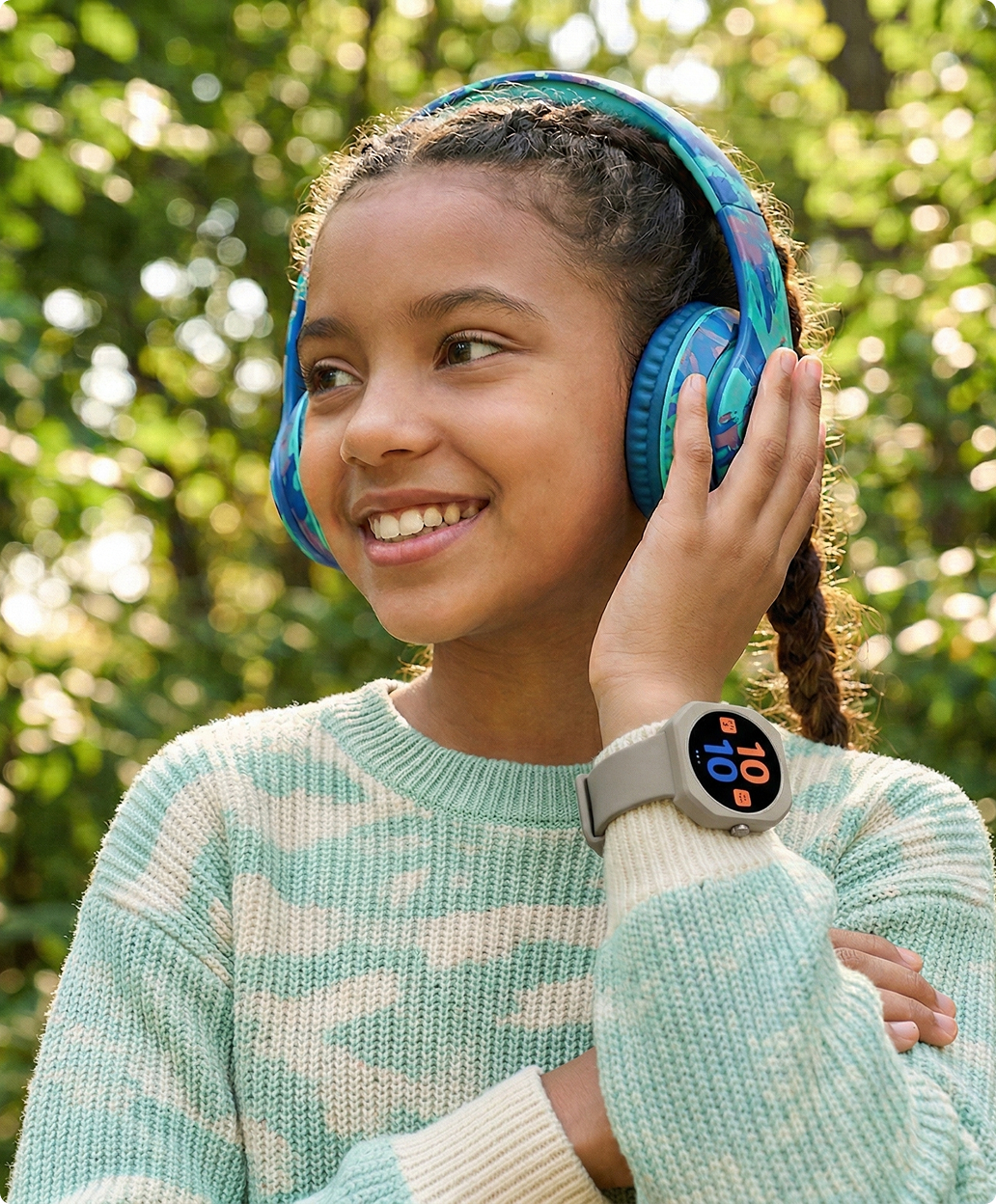
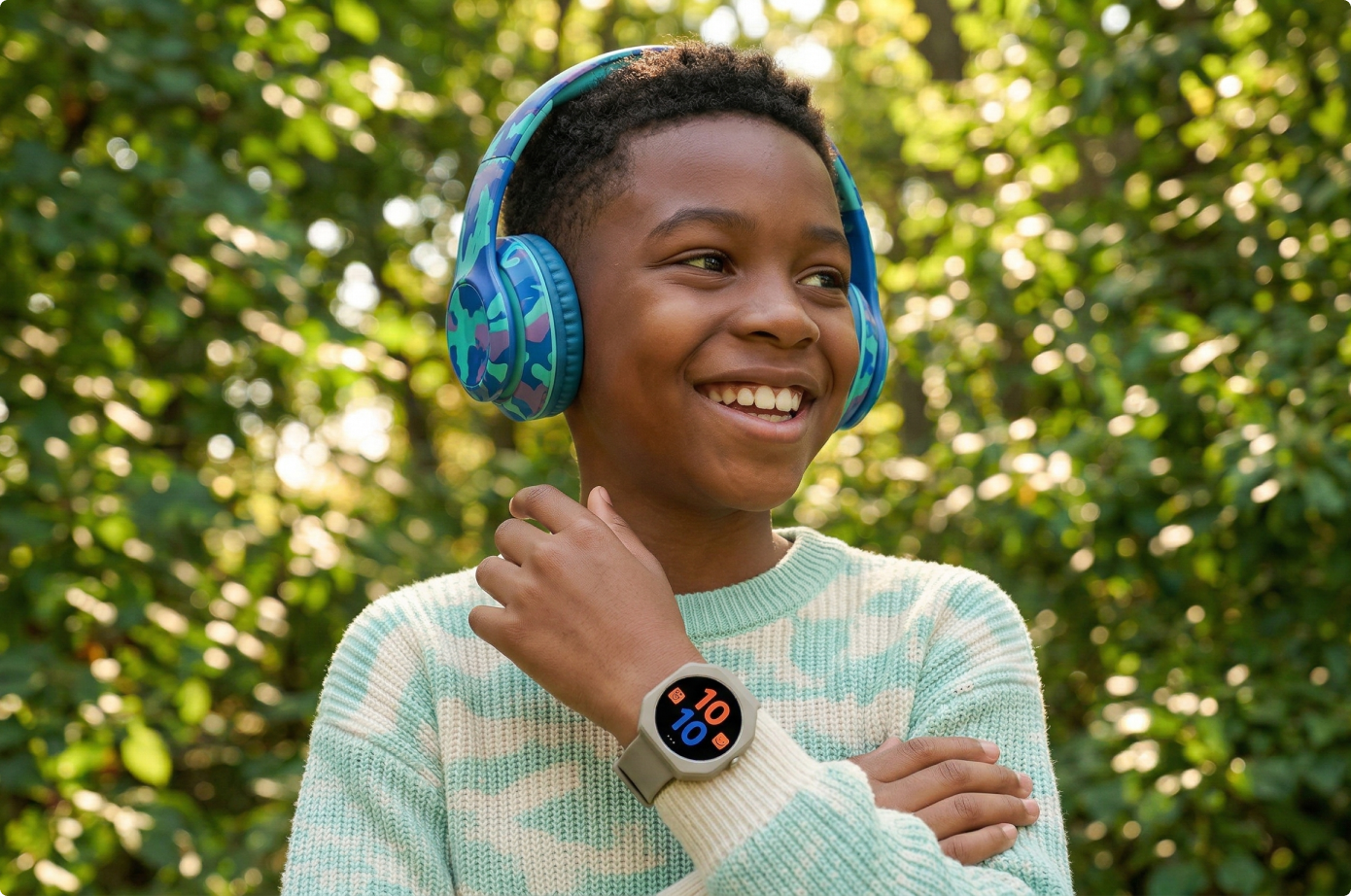
Instead of designing another smartwatch filled with features, the goal was to rethink what a first personal device could represent. Not as a gateway to more screen time, but as a tool to support independence, awareness, and trust.
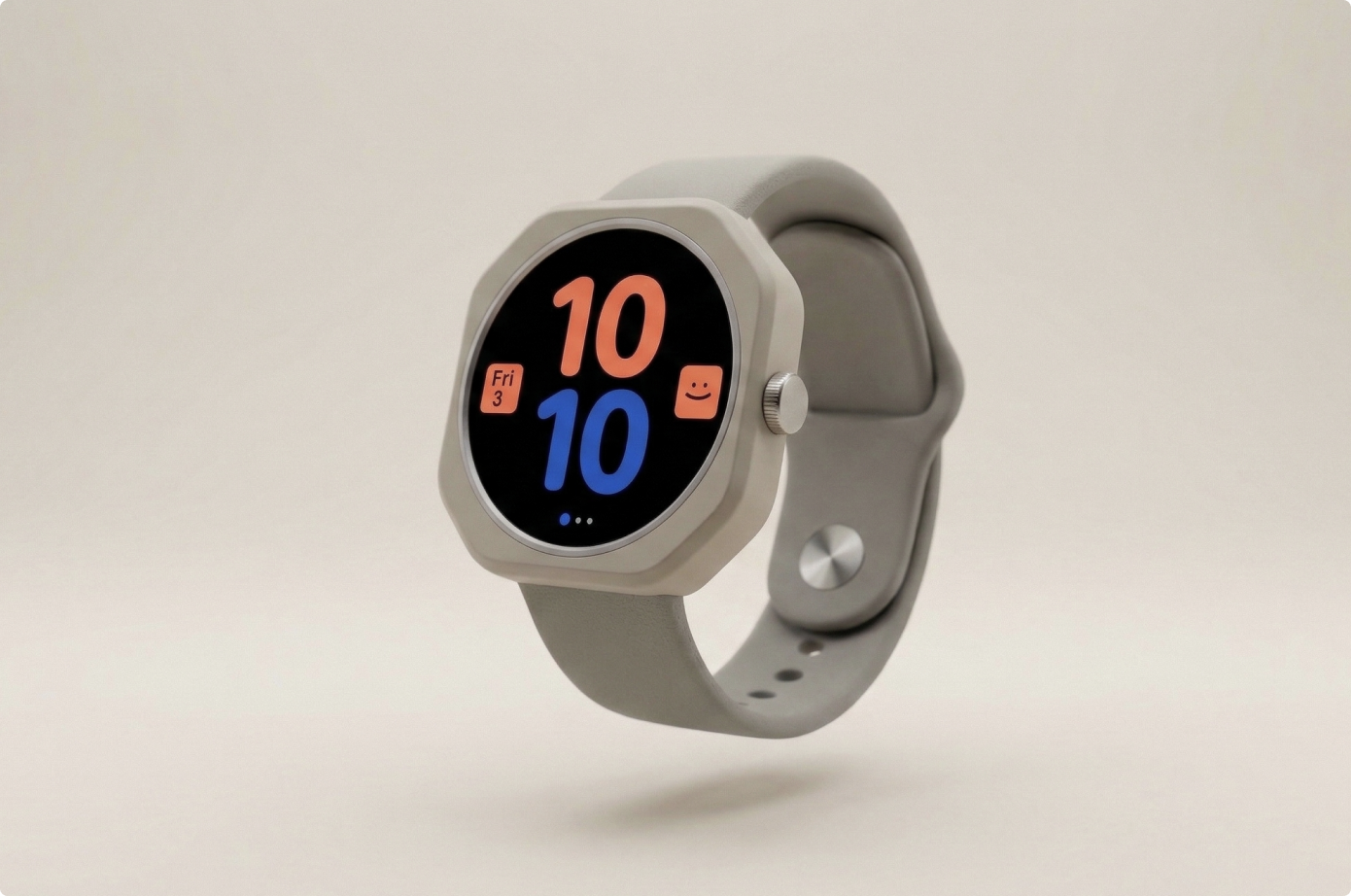
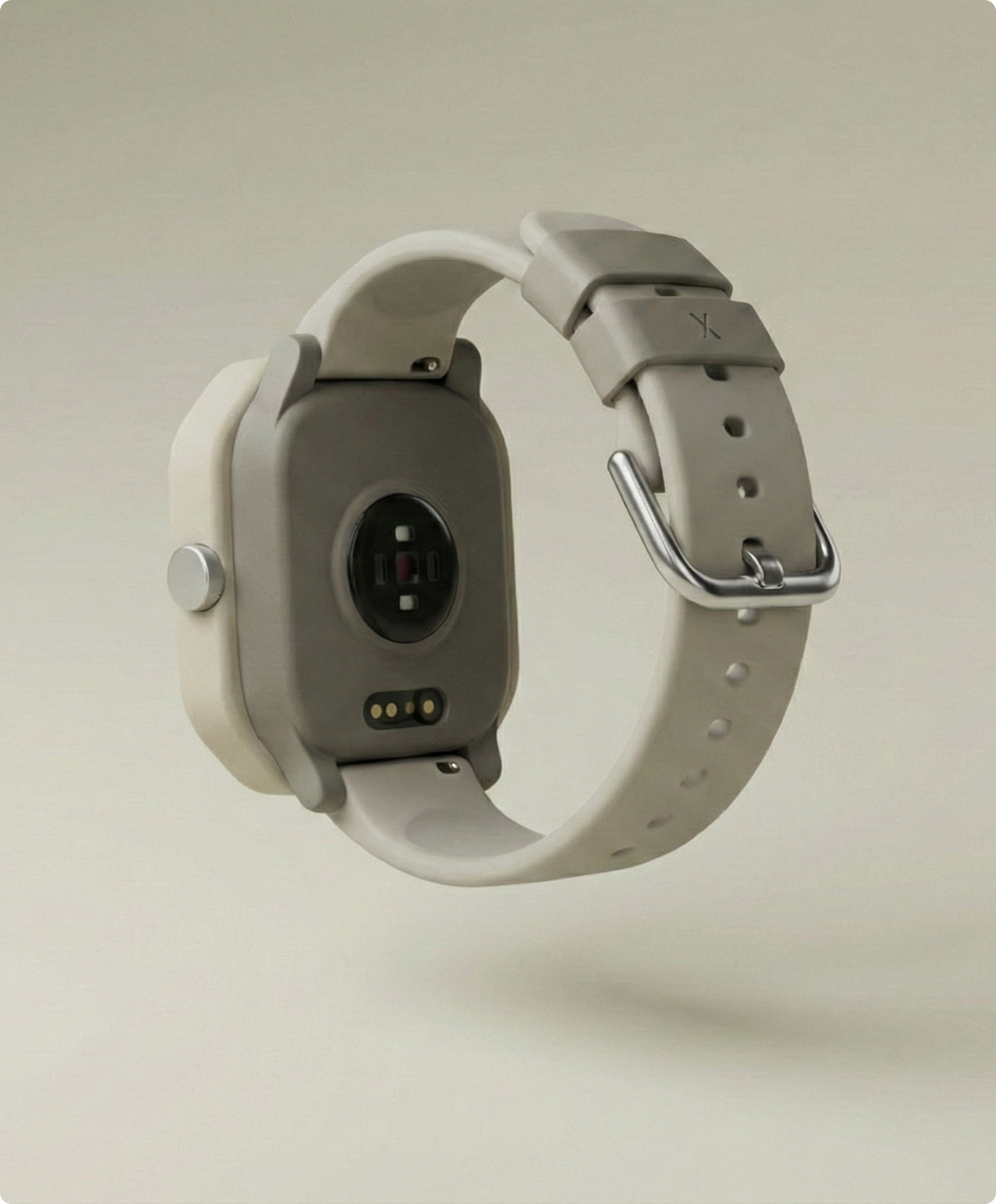
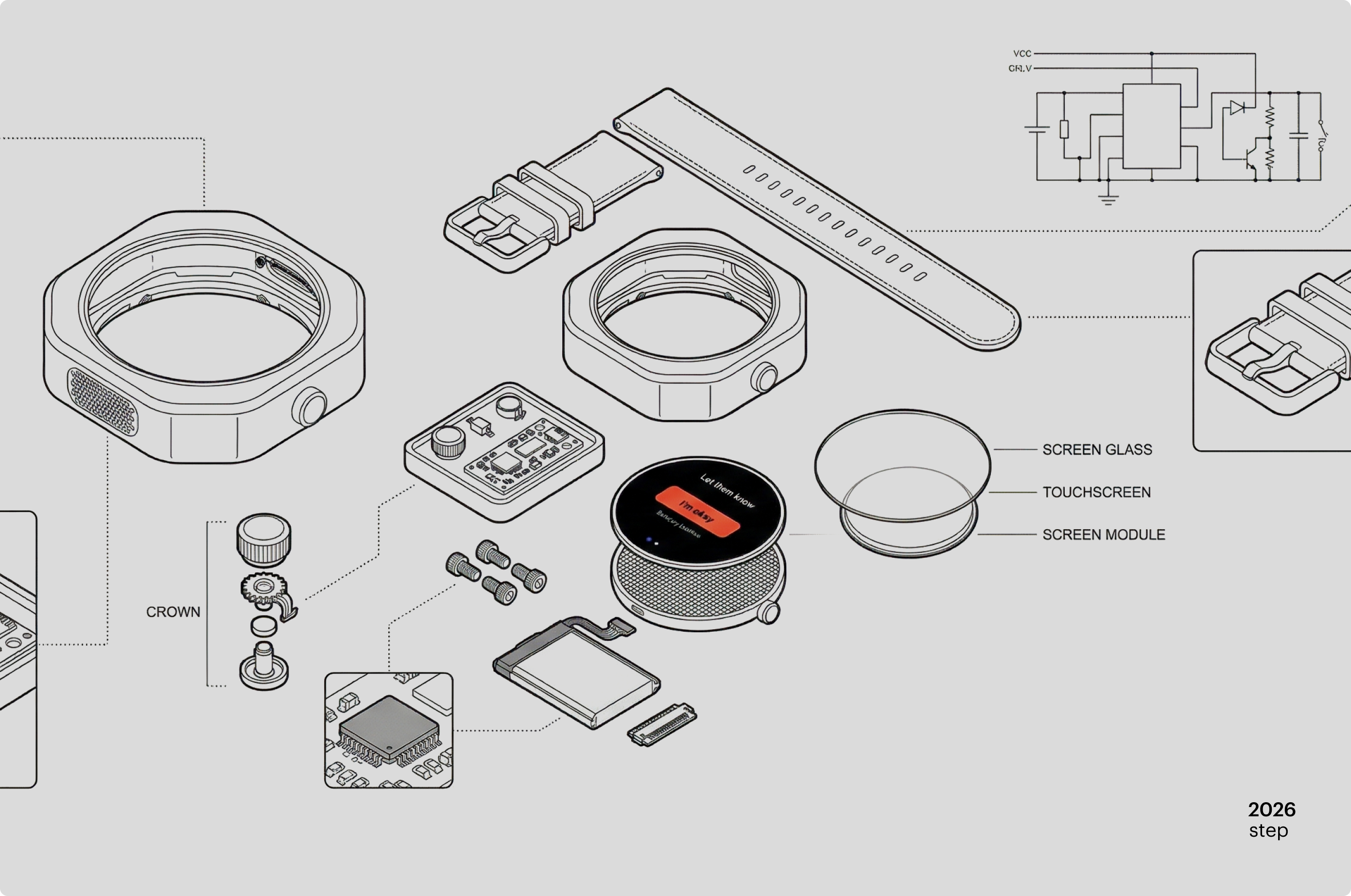
What made this project different was the scope. Beyond the interface, I was responsible for developing the physical product concept — exploring form, proportions, and material language from scratch. Using AI-assisted tools, I created and refined the industrial design direction, ensuring that hardware and software worked as a cohesive system rather than separate layers. The watch doesn't just run the experience. It communicates it.
The physical design avoids excess. Soft edges, considered proportions, and restrained material choices reinforce the same sense of calm and durability that runs through the interface. Holding it should feel as intentional as using it.
On the interface side, STEP shifts the focus from constant interaction to intentional moments. Rather than overwhelming the user with information, it creates a calm structure where each action has a clear purpose.
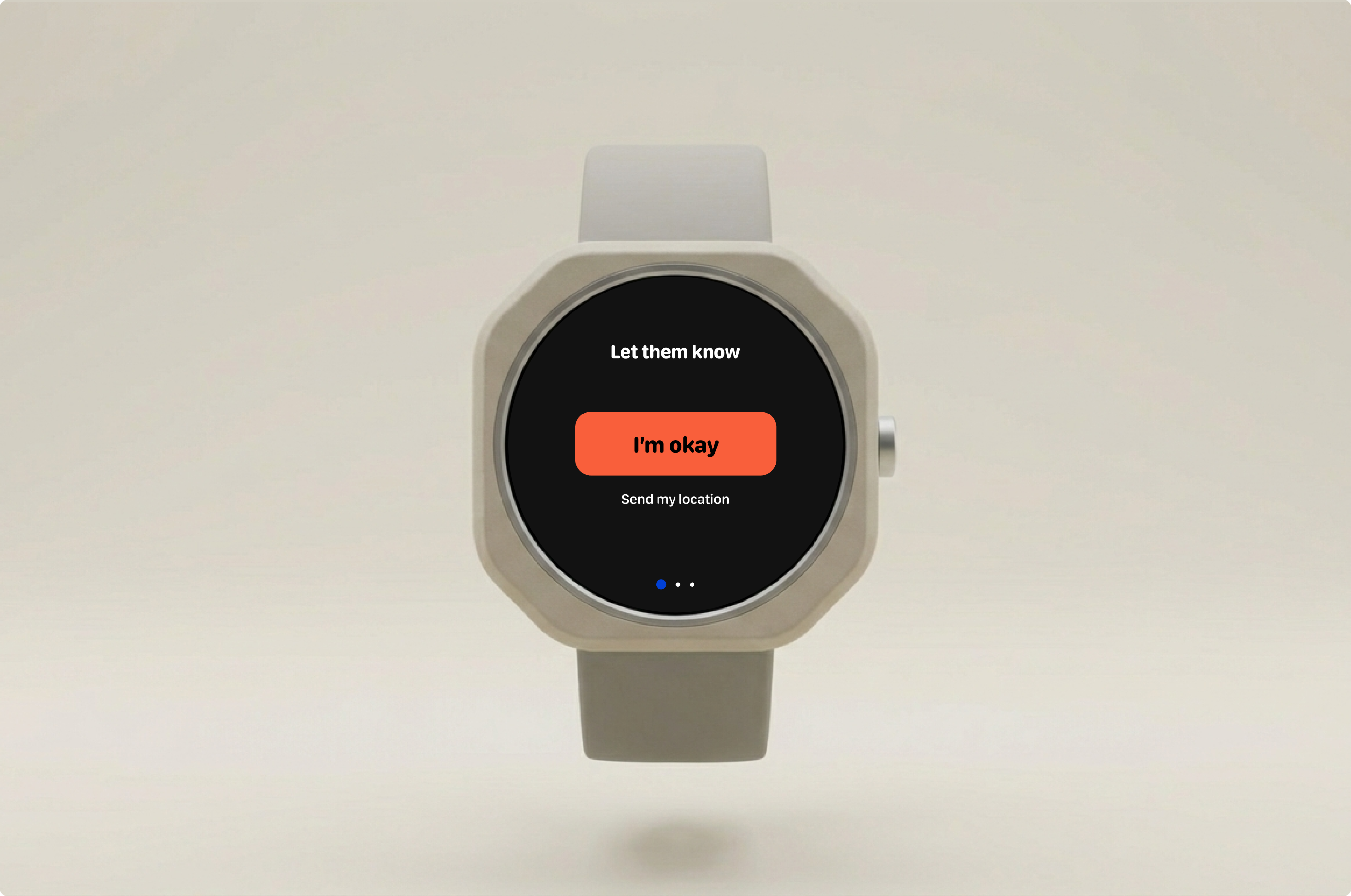
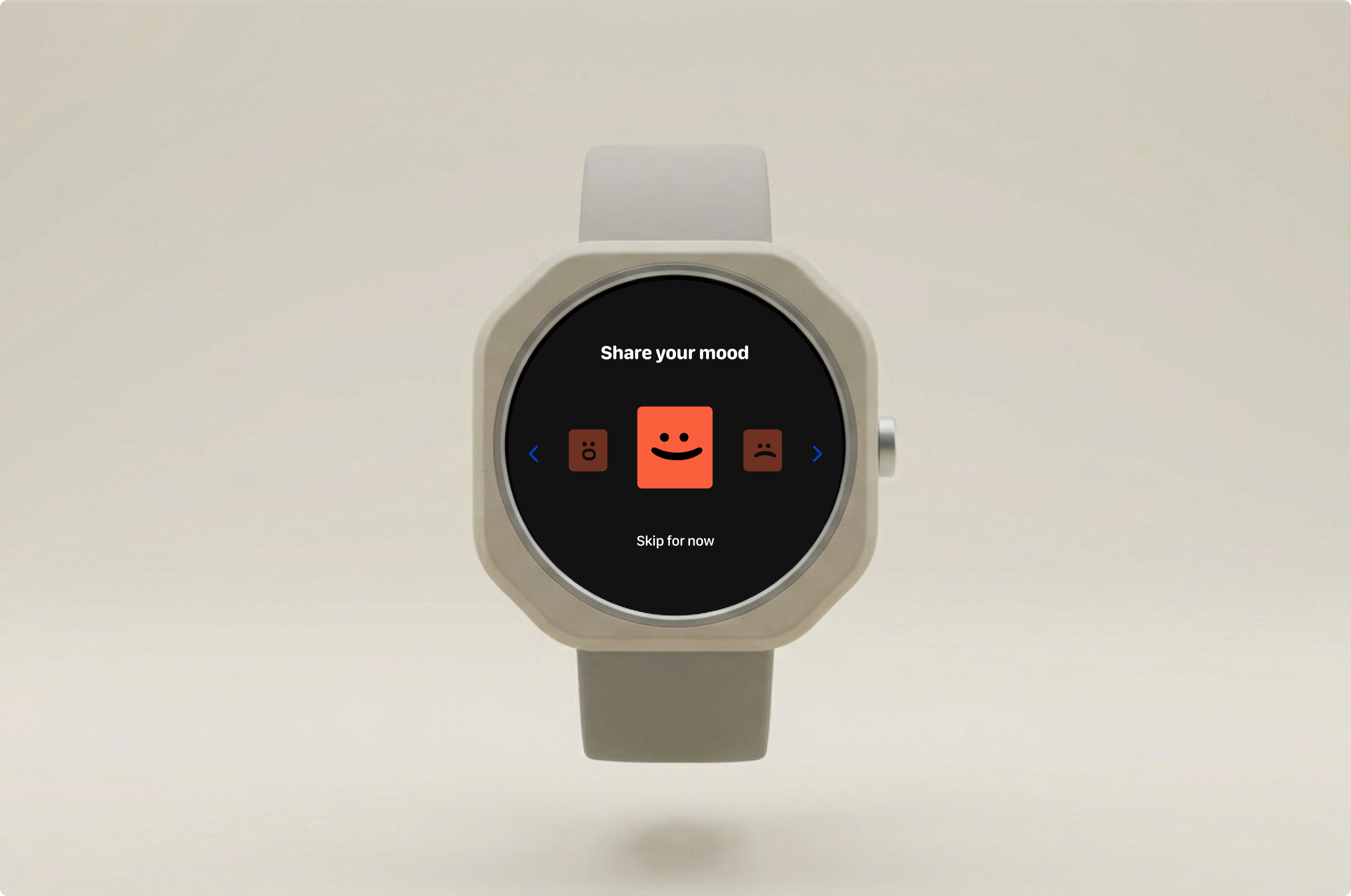
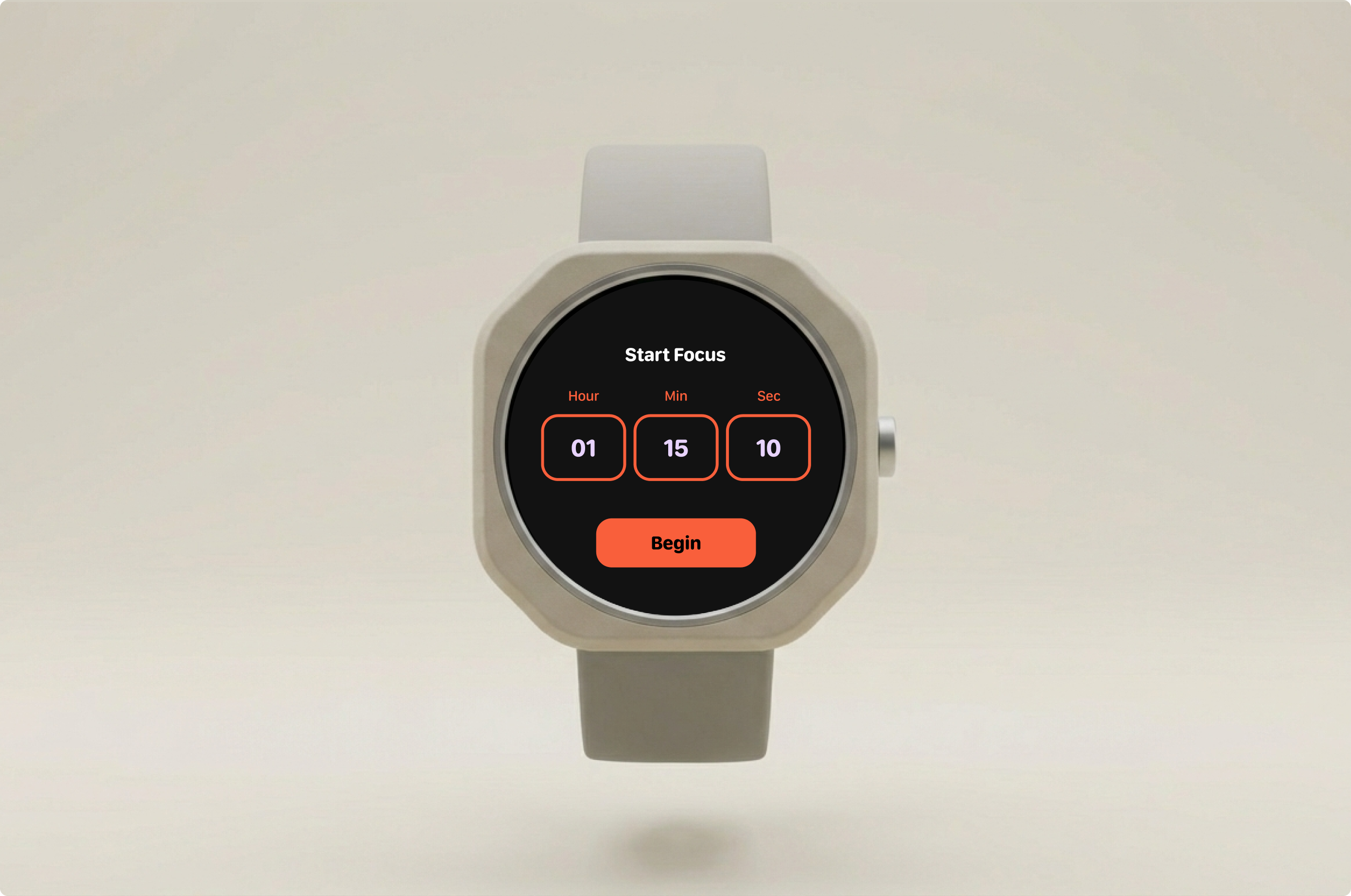
Some features were designed to change the nature of interaction itself. Safety becomes an active gesture through simple check-ins, replacing passive tracking with intentional communication. Emotional awareness is introduced through lightweight mood signals, creating space for expression without complexity. Focus is treated as a conscious choice, encouraging structured time without pressure or reward systems.
The system doesn't try to do more. It tries to do just enough — supporting without interrupting, guiding without controlling.
More than a smartwatch, STEP is an exploration of how technology can support growth without taking control. And how design, when it works across both form and interaction, can make that feel natural.